Painting your kitchen cabinets is a budget-friendly way to refresh your kitchen without replacing everything.
But how long will that fresh finish actually last?
With proper preparation, quality paint, and regular care, painted kitchen cabinets can last around 8–10 years before needing significant repainting,
although the actual lifespan varies with usage, materials, and maintenance.
Cabinets near the sink, stove, and trash bin often show wear first because they deal with more moisture, grease, and daily handling.
The good news? A few smart choices can help your paint job last longer.
Here’s what affects cabinet durability, what painting costs, and how to keep your cabinets looking their best.
1. Choose Quality Paint for a Longer-Lasting Finish

Yes, painting kitchen cabinets can make them look fresh for years, provided you use the right products and apply them correctly.
The durability of painted cabinets depends on several factors:
- Paint quality: Choose a product designed for cabinets or other high-use surfaces.
- Surface preparation: Paint won’t adhere properly to greasy, dirty, or poorly prepared cabinets.
- Application technique: Even coats help create a consistent finish.
- Curing time: Paint needs sufficient time to harden before you put cabinets back into heavy use.
Adding more coats doesn’t automatically guarantee a stronger finish. Following the manufacturer’s instructions for primer, paint, drying time,
and recoating is more important than applying extra layers unnecessarily.
The takeaway: Good materials and careful application matter more than simply adding more paint.
2. Apply the Right Number of Paint Coats

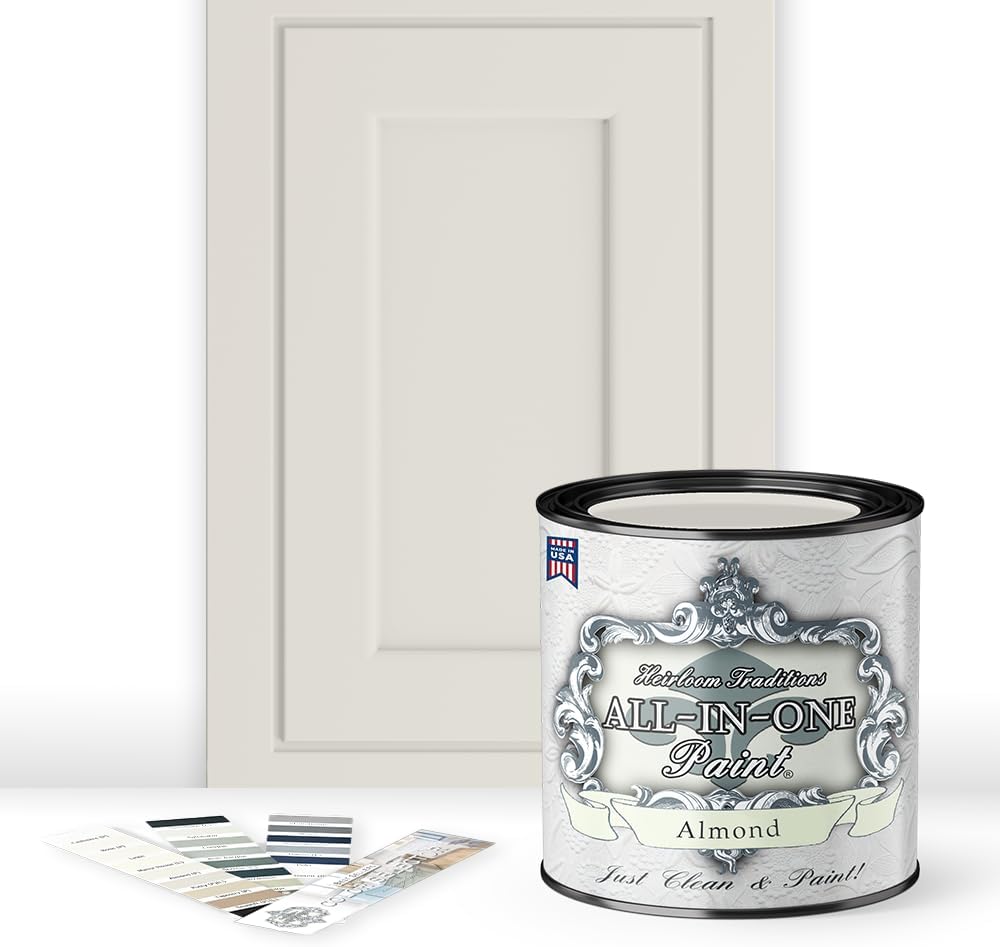
For many cabinet-painting projects, a suitable primer followed by two coats of cabinet paint is a good starting point.
However, the exact number depends on the product, cabinet material, and existing finish.
Some surfaces need extra preparation or additional coats to achieve even coverage.
Always follow the paint manufacturer’s recommendations rather than relying on a fixed number for every project.
If you’re using spray paint, apply thin, even layers instead of trying to cover everything in one heavy coat.
Allow each layer to dry as directed before applying the next.
Avoid rushing the process. Thick coats, uneven application, and insufficient drying time can leave you with streaks, poor adhesion, or a finish that wears out sooner.
3. Pick a Painting Technique That Suits Your Cabinets

The way you apply paint affects both the final appearance and the quality of the finish.
You can use a brush, roller, or paint sprayer, depending on your budget, experience, and cabinet design.
Brush and roller
Brushes are useful for corners, edges, and detailed areas. A suitable roller can help create a smooth finish across larger, flat surfaces.
This approach is often practical for DIY projects because you don’t necessarily need specialized equipment.
However, poor technique can leave visible brush marks or an uneven texture.
Spray painting
Spray painting can create a smooth, consistent finish when the surface is prepared correctly and the product is applied properly.
It’s particularly useful for cabinet doors with broad, flat surfaces.
However, spraying requires careful masking, ventilation, and suitable protective equipment. You’ll also need to remove or protect nearby surfaces to prevent overspray.
Which method is best? Choose the technique you’re comfortable using, and follow the paint manufacturer’s instructions.
A well-prepared brush-painted finish can still look great and last for years.


4. Understand the Cost of Painting Kitchen Cabinets

Painting kitchen cabinets is often less expensive than installing entirely new cabinets.
It can also cost less than refacing, depending on the kitchen’s size and the amount of work required.
However, the final price varies with cabinet quantity, labor rates, paint quality, and the condition of the existing surfaces.
The original article cites an estimated cost of around 1,200 for some cabinet-painting projects, with more extensive jobs potentially reaching several thousand dollars.
Treat these figures as historical estimates rather than current quotes.
Costs can rise when cabinets need extensive sanding, repairs, grease removal, or multiple coats.
Professional spray painting may also cost more because of the additional preparation and equipment involved.
Before hiring someone, request a detailed estimate covering preparation, primer, paint, labor, and finishing. Compare the complete scope of work, not just the headline price.
5. Decide Whether Repainting or Refacing Is the Better Option

Repainting and refacing can both refresh your kitchen, but they solve different problems.
Repainting
Repainting updates the existing cabinet surfaces without replacing the cabinet doors or boxes. It’s a good option when the cabinets are structurally sound and the current layout works for you.
It’s usually most successful on surfaces that can be properly cleaned, prepared, and painted.
Refacing
Refacing changes the visible exterior of the cabinets while keeping much of the existing cabinet structure.
It may involve replacing doors and drawer fronts and adding a new veneer to exposed surfaces.
This option can make sense when the cabinet boxes remain in good condition but the doors are damaged or outdated.
Which should you choose?
- Choose repainting if the cabinets are sturdy and you want an affordable visual refresh.
- Consider refacing if the cabinet structure is sound but the doors or exterior surfaces need a bigger change.
- Consider replacement if the cabinet boxes are badly damaged, swollen, or unsuitable for repair.
Check whether your existing cabinet material can be painted before starting.
Some laminate surfaces require specialized preparation or products, and not every finish will accept paint reliably.
6. Prepare Cabinet Surfaces Properly Before Painting

Preparation is one of the biggest factors affecting how long painted cabinets last. Even high-quality paint can peel or chip if it’s applied over grease, dust, or a poorly bonded finish.
Before painting, take time to:
- Remove cabinet doors, drawer fronts, and hardware where practical.
- Clean away grease, dirt, and residue using a suitable cleaner.
- Sand or scuff the existing finish as recommended for the surface.
- Fill dents and repair damaged areas.
- Apply a compatible primer when required.
- Allow each product to dry and cure according to its instructions.
Wood cabinets may also need grain filling if you want an especially smooth finish. This is particularly relevant for open-grain woods where the texture can remain visible beneath paint.
Don’t skip preparation to save time. It can lead to premature peeling, uneven coverage, and extra repair work later.
7. Clean Painted Cabinets Gently and Regularly

Kitchen cabinets collect grease, fingerprints, food splashes, and dust every day. Regular cleaning prevents grime from building up and helps preserve the painted finish.
Use a soft microfiber cloth with mild dish soap and water, unless the paint manufacturer recommends another cleaner.
Avoid abrasive pads, harsh chemicals, and aggressive scrubbing that could scratch or dull the surface.
For stubborn spots, clean gently rather than applying excessive pressure. Test any new cleaning product on an inconspicuous area first.
After cleaning, wipe away residue with a clean, damp cloth and dry the surface thoroughly. Don’t let water sit around cabinet edges, seams, or hardware.
Pay extra attention to high-use areas around the sink, stove, handles, and trash bin. These spots tend to show wear before the rest of the kitchen.
8. Protect Cabinets From Moisture, Heat, and Everyday Wear

Painted cabinets face plenty of challenges in a busy kitchen.
Heat, humidity, steam, grease, and frequent handling can gradually wear down the finish.
Here are three ways to protect them.
Control moisture and humidity
Use your kitchen exhaust fan when cooking to help remove steam, heat, and airborne grease.
Repair plumbing leaks quickly, and wipe up spills before moisture reaches cabinet seams or edges.
Try to maintain a comfortable indoor environment, but don’t rely on one exact temperature or humidity level to guarantee cabinet longevity.
Kitchen conditions vary, and proper ventilation is often more practical than trying to maintain a rigid setting.
Consider a protective topcoat
Some cabinet finishes may benefit from an additional clear protective coat, but a topcoat isn’t necessary or compatible with every cabinet paint.
Before applying polyurethane, epoxy, or another sealer, check that the product is compatible with your paint.
An incompatible coating can affect the finish, alter the appearance, or cause adhesion problems.
Follow the manufacturer’s instructions, especially for white or light-colored cabinets, since some clear finishes can yellow over time.
Reduce scratches and everyday damage
Use cabinet handles rather than repeatedly pulling on painted edges.
Wipe away spills promptly, avoid banging doors shut, and touch up small chips with compatible paint when needed.
These simple habits can help your cabinets stay attractive without requiring a complete repaint every few years.
Final Thoughts
Painted kitchen cabinets can last around 8–10 years before significant repainting is needed, but there’s no guaranteed lifespan for every kitchen.
The quality of the paint, cabinet material, preparation, and daily use all make a difference.
To get the most from your paint job, prepare the surfaces properly, apply compatible products, allow enough curing time, and clean the cabinets gently.
And remember, you don’t need to replace cabinets just because the finish looks tired.
If the cabinet boxes are still in good shape, repainting may be enough to give your kitchen a fresh new look.
