Running out of kitchen cleaner halfway through cleaning? Before you grab that bathroom spray from under the sink, check the label.
Some bathroom cleaners can damage kitchen surfaces or leave residues that you don’t want near food.
Bathroom cleaners usually target soap scum, mineral deposits, and grime, while kitchen cleaners tackle grease, food splatters, and cooking residue.
Some products work across multiple areas, but you shouldn’t assume every cleaner suits every surface.
Here’s how bathroom and kitchen cleaners differ, when you can use them interchangeably, and how to clean your home without creating unnecessary chemical hazards.
1. Understand Why Bathroom and Kitchen Cleaners Use Different Formulas
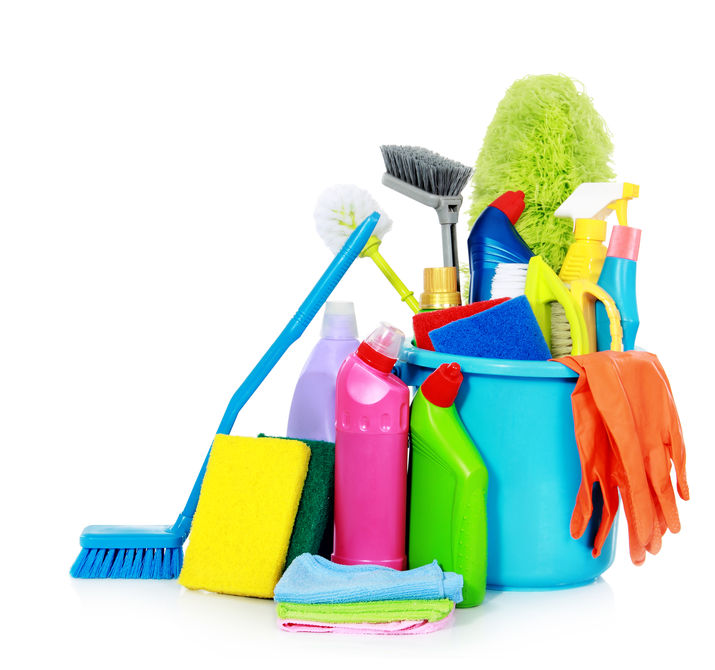
Bathroom and kitchen cleaners serve different purposes because each room deals with different types of dirt.
Choosing the right formula makes cleaning easier and helps protect the surfaces in your home.
Bathroom Cleaners Target Soap Scum and Mineral Deposits
Bathrooms often develop soap residue, hard-water stains, and mineral deposits around sinks, showers, and taps.
Toilet cleaners may also contain ingredients designed to remove stubborn stains and tackle specific types of buildup.
Some bathroom products contain strong acids, bleach, or other chemicals.
These ingredients can damage certain materials, so always check the label before using them outside their intended area.
Kitchen Cleaners Tackle Grease and Food Residue
Kitchen surfaces collect cooking oil, food splashes, crumbs, and sticky residue.
Kitchen cleaners often focus on cutting through grease while remaining suitable for the surfaces listed on their labels.
Because you prepare and serve food in the kitchen, surface compatibility and residue removal matter just as much as cleaning power. Always follow the manufacturer’s instructions, especially when cleaning countertops, cutting boards, and food-preparation areas.
Keep Both Rooms Clean Without Overcomplicating Things
Regular cleaning helps prevent grime from building up in either room.
If your schedule gets hectic, focus on frequently touched surfaces, visible spills, sinks, and areas that collect grease or moisture.
You don’t need a cupboard full of cleaning products for every possible situation.
A few suitable products can cover many everyday tasks, provided you match each cleaner to the surface and follow its instructions.
2. Know When a Kitchen Cleaner Can Work in the Bathroom

Yes, some kitchen cleaners can clean bathroom surfaces. However, the product’s label matters more than whether it produces foam when mixed with water.
A general-purpose kitchen cleaner may work well on a bathroom sink, washable countertop, or other compatible surface.
However, it might not remove stubborn limescale, soap scum, or toilet stains as effectively as a product designed for those jobs.
If you’ve run out of bathroom cleaner, check whether your kitchen cleaner specifically permits use on the surface you want to clean. Follow its dilution, application, and rinsing instructions.
Don’t use foam as your only test of cleaning effectiveness. Foaming doesn’t prove that a product disinfects, removes mineral deposits, or works safely on every bathroom material.
3. Choose Cleaning Products That Work Safely in Both Rooms

If you want to simplify your cleaning routine, consider products that the manufacturer approves for multiple surfaces.
A suitable all-purpose cleaner can reduce the number of bottles you need to buy and store.
You can also use some household ingredients for specific cleaning tasks.
However, natural doesn’t automatically mean harmless, and no single ingredient works safely on every material.
Common Household Cleaning Options
- Vinegar: Its acidity can help dissolve some mineral deposits, but it can damage natural stone, certain grout, and other acid-sensitive surfaces.
- Lemon juice: Its acidity may help with some stains, but it can also damage sensitive materials.
- Baking soda: This mild abrasive can help remove some grime, although vigorous scrubbing may scratch delicate finishes.
- Castile soap: This soap can clean certain washable surfaces, but you should check the surface manufacturer’s guidance and rinse as directed.
- Rubbing alcohol: Some products containing isopropyl alcohol can clean compatible surfaces, but alcohol can damage certain finishes and presents a fire risk.
These options aren’t interchangeable, and they don’t automatically disinfect surfaces. Choose an appropriate product for the material and cleaning task.
Never Mix Cleaning Chemicals
One safety rule deserves extra attention: never mix bleach with ammonia or acidic cleaners.
These combinations can release toxic gases that harm your eyes and respiratory system.
You should also avoid mixing different cleaning products unless their manufacturers explicitly confirm that the combination is safe.
For a simpler routine, choose a suitable multipurpose cleaner and follow its instructions.
Store cleaning products in their original containers, keep them away from children, and provide adequate ventilation when cleaning.
4. Learn What Bathroom and Kitchen Cleaners Have in Common

Bathroom and kitchen cleaners may contain some of the same ingredient types, including surfactants, solvents, fragrances, and other cleaning agents.
However, manufacturers adjust their formulas to suit particular cleaning tasks and surfaces.
For example, a bathroom cleaner may focus on soap scum and mineral deposits, while a kitchen cleaner may prioritize grease removal.
Some products also contain disinfectants, but you shouldn’t assume every cleaner offers that benefit.
Match the Product to the Surface
Bathroom tiles often collect soap residue and hard-water deposits. Kitchen tiles, meanwhile, may accumulate cooking grease, food splashes, and steam-related grime.
That doesn’t mean every bathroom cleaner is stronger than every kitchen cleaner.
A product’s actual ingredients, intended use, and safety instructions matter more than its room-specific label alone.
Before using any cleaner, check whether the manufacturer approves it for your particular surface.
Pay special attention to:
- Natural stone countertops, which certain acidic cleaners can damage.
- Stainless steel, which may react poorly to some chemicals.
- Painted or coated surfaces, which can lose their finish.
- Food-contact surfaces, which may require rinsing after cleaning.
- Grout and sealants, which may react to certain cleaning ingredients.
If you manage a commercial kitchen, arrange professional deep cleaning when the equipment, ventilation systems, or accumulated grease require specialist attention.
5. Understand the Difference Between a Cleaner and a Disinfectant

A cleaner and a disinfectant perform different jobs.
A cleaner removes dirt, grease, and other visible residue, while a disinfectant targets microorganisms when you use it according to the product’s directions.
Some products combine both functions, but not every household cleaner kills germs, and not every disinfectant removes grime effectively.
When Should You Clean?
Use a suitable cleaner to remove everyday dirt, sticky spills, grease, and food residue.
For example, wiping up spilled orange juice with the right cleaner helps remove the sticky mess that a disinfectant alone might not address effectively.
Cleaning also removes many microorganisms from surfaces. However, you shouldn’t assume that cleaning alone kills every harmful germ.
When Should You Disinfect?
Disinfection may be useful when you need to reduce specific germs on a compatible surface. Choose a product labeled for the intended use and follow its instructions for application and contact time.
Some disinfectants require you to leave the surface visibly wet for a specified period.
Others require rinsing before food preparation, so always check the label.
If you want both cleaning and disinfection, remove visible dirt first unless the product explicitly combines both functions and its directions permit a single-step process.
6. Choose the Right Cleaner for Each Room’s Purpose

Bathrooms and kitchens serve different everyday needs, so their cleaning requirements differ, too.
Bathrooms need regular attention to soap residue, moisture, toilet stains, and areas that people touch frequently.
Kitchens need consistent grease removal, food-spill cleanup, and careful cleaning of surfaces used to prepare meals.
However, don’t assume that every bathroom contains more bacteria than every kitchen.
Both rooms can harbor microorganisms, and contamination depends on how people use and maintain each space.
A Simple Guide to Choosing Your Cleaner
- Kitchen countertops: Use a product approved for the countertop material and follow food-contact rinsing instructions.
- Cooking surfaces: Choose a cleaner suitable for the appliance or finish, and remove grease according to the manufacturer’s directions.
- Bathroom sinks and tiles: Select a product that targets the relevant buildup without damaging the material.
- Toilet bowls: Use a toilet cleaner specifically designed for the bowl and follow its safety instructions.
- Food-preparation surfaces: Remove food residue and use an appropriate product; rinse afterward when the label requires it.
- High-touch surfaces: Clean regularly, and disinfect when the situation calls for it.
You can use one multipurpose product for several areas if its label explicitly supports those uses.
Just remember that convenience shouldn’t come at the expense of surface protection or food safety.
Final Thoughts: Can You Use A Bathroom Cleaner in the Kitchen?
Sometimes, but you should only use a bathroom cleaner in the kitchen when its label explicitly permits the intended surface and use.
Many bathroom products target mineral deposits or soap scum rather than cooking grease, and some can damage countertops or leave unsuitable residues.
A compatible multipurpose cleaner may be a better choice if you want one product for several rooms.
Whatever you choose, follow the label, rinse food-contact surfaces when instructed, and never mix cleaning chemicals.
The goal is simple: clean your home effectively without damaging your surfaces or exposing yourself to unnecessary risks.
Check the label before you spray, and you’ll save yourself a lot of avoidable trouble. 🙂
